


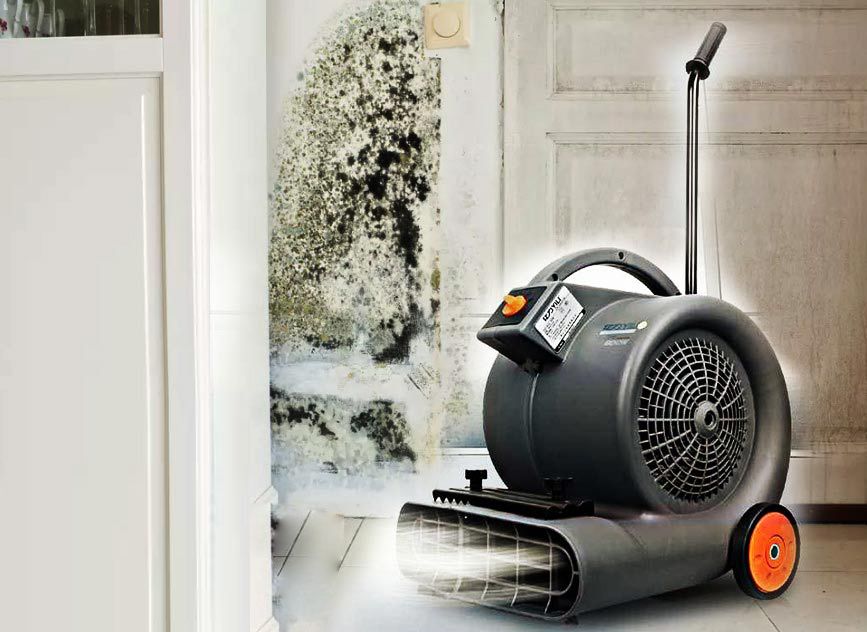
What is a Dehumidifier?
Dehumidifiers are devices that help reduce excessive humidity in the air, typically operating on electricity. These devices play a significant role in enhancing comfort by regulating humidity levels in indoor spaces, while also preventing structural damage. Humidity can increase, especially during winter months when cold air enters from outside, leading to various issues. Dehumidifiers are designed to address such problems and are commonly used in homes, offices, and industrial settings.
The primary function of dehumidifiers is to condense water vapor present in the environment into liquid form and store it in a water tank. This process allows for the reduction of humidity in the environment and improves air quality. Different models may come with various features, such as dehumidification capacity, energy efficiency, and noise levels. Users can effectively solve humidity issues by selecting a device that suits their needs.
How Does a Dehumidifier Work?
Dehumidifiers generally operate using two main systems: compressor systems and thermal systems. Compressor systems condense moisture through a cooling process, while thermal systems absorb humidity using warm air flow. Compressor devices use a compressor to cool the air drawn in. As the air cools, the water vapor within it condenses into liquid form. While this liquid accumulates in the water tank, the cooled air is released back into the environment. This process reduces the humidity level while maintaining temperature balance.
On the other hand, thermal systems tend to have a simpler structure. In these systems, humidity is extracted through heat exchange. As air passes through a heater in the dehumidifier, it helps condense the moisture. These types of devices can operate with lower energy consumption but may generally be less efficient. The choice of which system to prefer should be determined based on the user's needs.
Why Should We Use a Dehumidifier?
Using dehumidifiers offers many advantages. Firstly, excessive humidity can lead to health problems. Humid environments are particularly harmful for individuals with asthma, allergies, and respiratory issues. Dehumidifiers help prevent these types of health concerns. Additionally, high humidity levels can adversely affect household items and structures. Especially wooden furniture, walls, and flooring can swell, mold, or rot in humid conditions.
Dehumidifiers can also be effective in eliminating odors. Excess moisture can cause unpleasant smells. By reducing humidity, these devices can prevent bad odors and provide fresher air in the environment. Adequate humidity control also supports the efficient operation of heating and cooling systems, leading to energy savings.
What to Consider When Choosing a Dehumidifier
When purchasing a dehumidifier, several key factors should be taken into account. First, the dehumidifier's capacity, or how much moisture it can extract in a specific time frame, is one of the most critical criteria. Capacity is usually expressed in liters. Choosing a device with the appropriate capacity based on the size of the area being used ensures efficient operation. Low-capacity devices should be preferred for small areas, while high-capacity units are suitable for larger spaces.
Energy efficiency is another important point to consider. Energy-efficient devices can reduce electricity bills in the long run. The noise level of the device is also a significant factor; particularly if used in sleeping areas, models that operate quietly should be chosen. Additionally, features such as the capacity of the water tank and automatic shut-off when full are factors that enhance user comfort.
Maintenance and Usage Tips for Dehumidifiers
Regular maintenance is necessary for dehumidifiers to operate efficiently. First, it is important to regularly empty and clean the water tank. Water tanks that are not emptied for an extended period can lead to unpleasant odors and bacterial growth. Cleaning or replacing the device's filters at regular intervals is also beneficial for maintaining air quality. Filters enhance the device's performance and support energy efficiency.
Moreover, the correct selection of the area where the dehumidifier will be placed is crucial. The device should be positioned at least 30 cm away from the walls for proper airflow. Proper placement enhances the device's effectiveness and ensures better performance. Users should continuously monitor the humidity levels of the device, making adjustments as necessary to maintain the designated comfort levels.
Different Models and Features of Dehumidifiers
The dehumidifiers available on the market vary according to different needs and usage areas. First, portable dehumidifiers can be easily used in various areas of the home due to their small and lightweight designs. These devices usually have lower capacities and are ideal for individual use. On the other hand, industrial dehumidifiers are designed for larger spaces and have high dehumidification capacities. These devices can effectively operate in large areas such as factories or big storage facilities.
Additionally, some dehumidifiers are equipped with air purification features. These devices not only reduce humidity but also significantly improve air quality by filtering dust, pollen, and other allergens from the air. Smart dehumidifiers allow users to control them via their smartphones. These devices can continuously monitor the humidity levels in the environment with various sensors and can operate automatically when necessary. These features enhance user comfort and promote energy efficiency.
Benefits and Long-term Effects of Dehumidifiers
Keeping humidity under control is essential not only for comfort but also for our health. Environments with excessive humidity facilitate the growth of mold and bacteria. This can trigger respiratory diseases as well as allergic reactions. Dehumidifiers play a crucial role in preventing such health issues. In the long run, balancing humidity levels provides a healthier living environment, especially for children and the elderly.
Furthermore, dehumidifiers also help maintain the structural integrity of the home. High humidity levels can cause water damage to walls, ceilings, and floors. Particularly wooden materials can be subject to rot and deformation in humid environments. Dehumidifiers prevent such adverse conditions, extending the lifespan of the home and reducing maintenance costs. Additionally, keeping humidity under control promotes energy savings; as maintaining temperature balance allows heating and cooling systems to operate more efficiently.
Comparison of Dehumidifiers with Traditional Methods
Traditional methods for controlling humidity include ventilation, the use of salt, or silica gel. However, these methods typically provide temporary solutions and may be insufficient for long-term effects. For instance, ventilation depends on the external humidity levels and may sometimes result in increased moisture intake. Moisture-absorbing substances like salt or silica gel are effective only over a limited area and need to be continuously replaced.
Dehumidifiers, on the other hand, provide an effective solution by creating a controlled environment. These devices continuously monitor the environment and maintain humidity levels within desired ranges. Moreover, most modern dehumidifiers are designed with energy efficiency in mind, allowing users to gain both economic and environmental benefits. While traditional methods offer short-term solutions, dehumidifiers provide a permanent and effective solution.
Applications of Dehumidifiers
Dehumidifiers stand out due to their versatility in various applications. They can work effectively in homes, particularly in areas where humidity may be high, such as bathrooms, kitchens, and basements. In offices, they can be used to enhance employee comfort and improve air quality. Additionally, they are preferred for humidity control in industrial areas, storage facilities, and agricultural settings. In agriculture, dehumidifiers play an important role in preventing product spoilage and increasing efficiency.
These devices are also commonly used in museums and archives. To preserve historical artifacts, maintaining a specific level of humidity is necessary. Dehumidifiers provide an effective solution to prevent the deterioration of artifacts in such environments. The various applications across different sectors demonstrate that dehumidifiers are a versatile and essential tool.